Staying Hydrated: A Detailed Guide
Staying hydrated means drinking enough fluids to replace the water your body loses through breathing, sweating, urination, and digestion. Water is essential for nearly every bodily function, including regulating body temperature, transporting nutrients, lubricating joints, and removing waste products.
Why Hydration Is Important
Proper hydration helps:
- Maintain normal body temperature.
- Improve physical performance and endurance.
- Support brain function, memory, and concentration.
- Aid digestion and nutrient absorption.
- Keep joints lubricated.
- Support healthy skin.
- Help the kidneys remove waste effectively.
- Reduce the risk of dehydration-related fatigue and headaches.
How Much Water Do You Need?
Fluid needs vary based on age, body size, activity level, climate, and health.
General daily recommendations:
- Men: About 3.7 liters (125 oz) of total fluids per day.
- Women: About 2.7 liters (91 oz) of total fluids per day.
These totals include fluids from both drinks and water-rich foods such as fruits and vegetables. You may need more if you:
- Exercise regularly.
- Live in a hot or humid climate.
- Are pregnant or breastfeeding.
- Have a fever, vomiting, or diarrhea.
Best Sources of Hydration
- Plain water
- Milk
- Unsweetened tea
- Sparkling water without added sugar
- Water-rich fruits such as watermelon, oranges, and strawberries
- Vegetables such as cucumber, lettuce, celery, and tomatoes
- Soups and broths
Signs of Good Hydration
- Pale yellow urine
- Normal thirst levels
- Moist mouth and lips
- Good energy and concentration
- Regular urination
Signs of Dehydration
- Dark yellow urine
- Strong thirst
- Dry mouth
- Headache
- Fatigue or dizziness
- Muscle cramps
- Reduced urination
Tips to Stay Hydrated
- Drink water regularly throughout the day instead of waiting until you’re very thirsty.
- Carry a reusable water bottle.
- Drink water before, during, and after exercise.
- Eat more fruits and vegetables with high water content.
- Increase fluid intake during hot weather or illness.
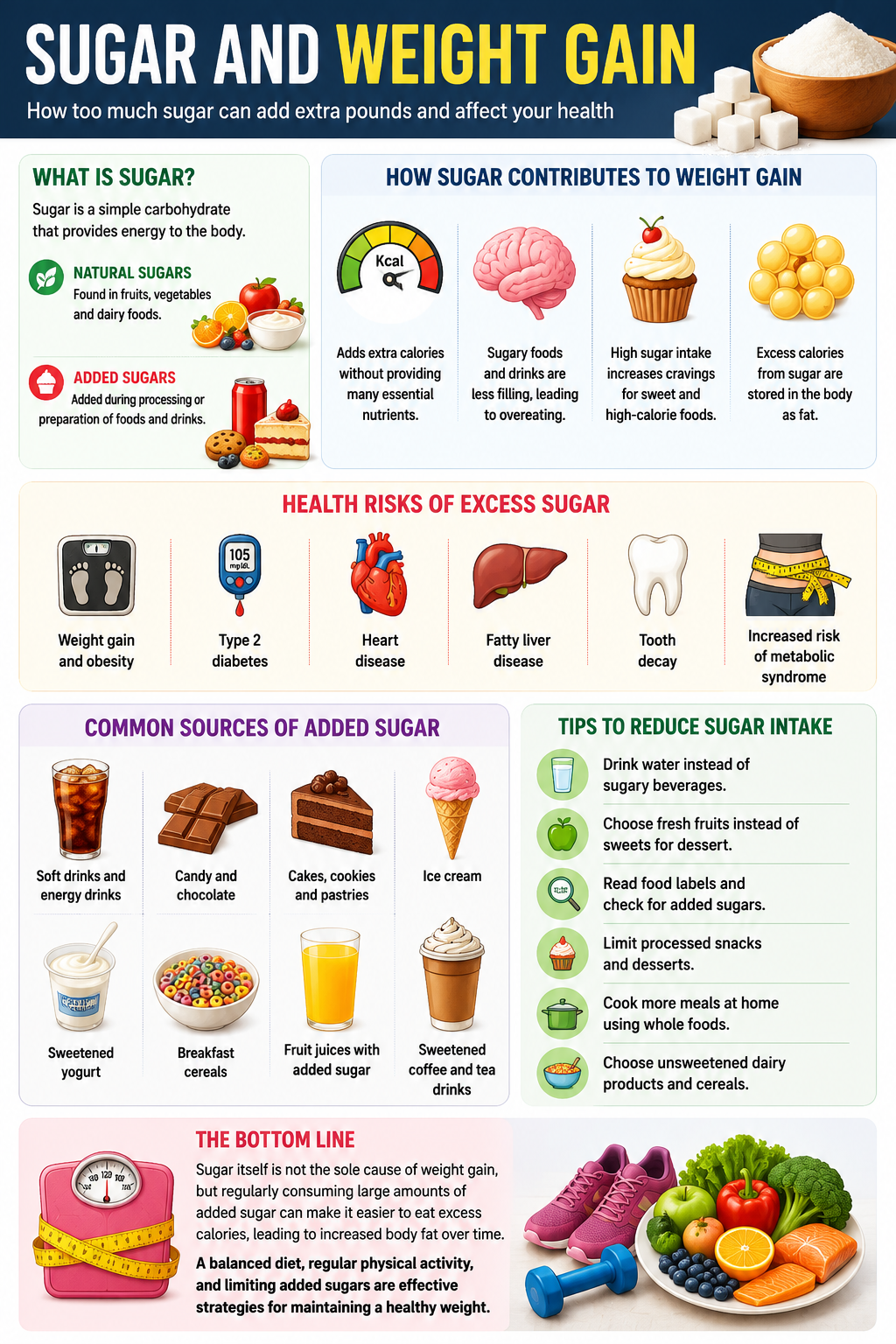
- Limit sugary drinks, which can add excess calories without improving health.
Can You Drink Too Much Water?
Yes. Drinking excessive amounts of water in a short period can lead to hyponatremia, a rare but serious condition in which blood sodium levels become dangerously low. This is uncommon and is most often seen during prolonged endurance events or when people consume far more water than their kidneys can excrete. Drinking according to your thirst and activity level is sufficient for most people.
Staying hydrated is one of the simplest ways to support overall health, improve physical performance, and help your body function efficiently every day.