Breaking Unhealthy Eating Habits: A Complete Guide
Breaking unhealthy eating habits takes time, consistency, and patience. Rather than following strict diets, focus on creating healthy habits that you can maintain for life.
What Are Unhealthy Eating Habits?
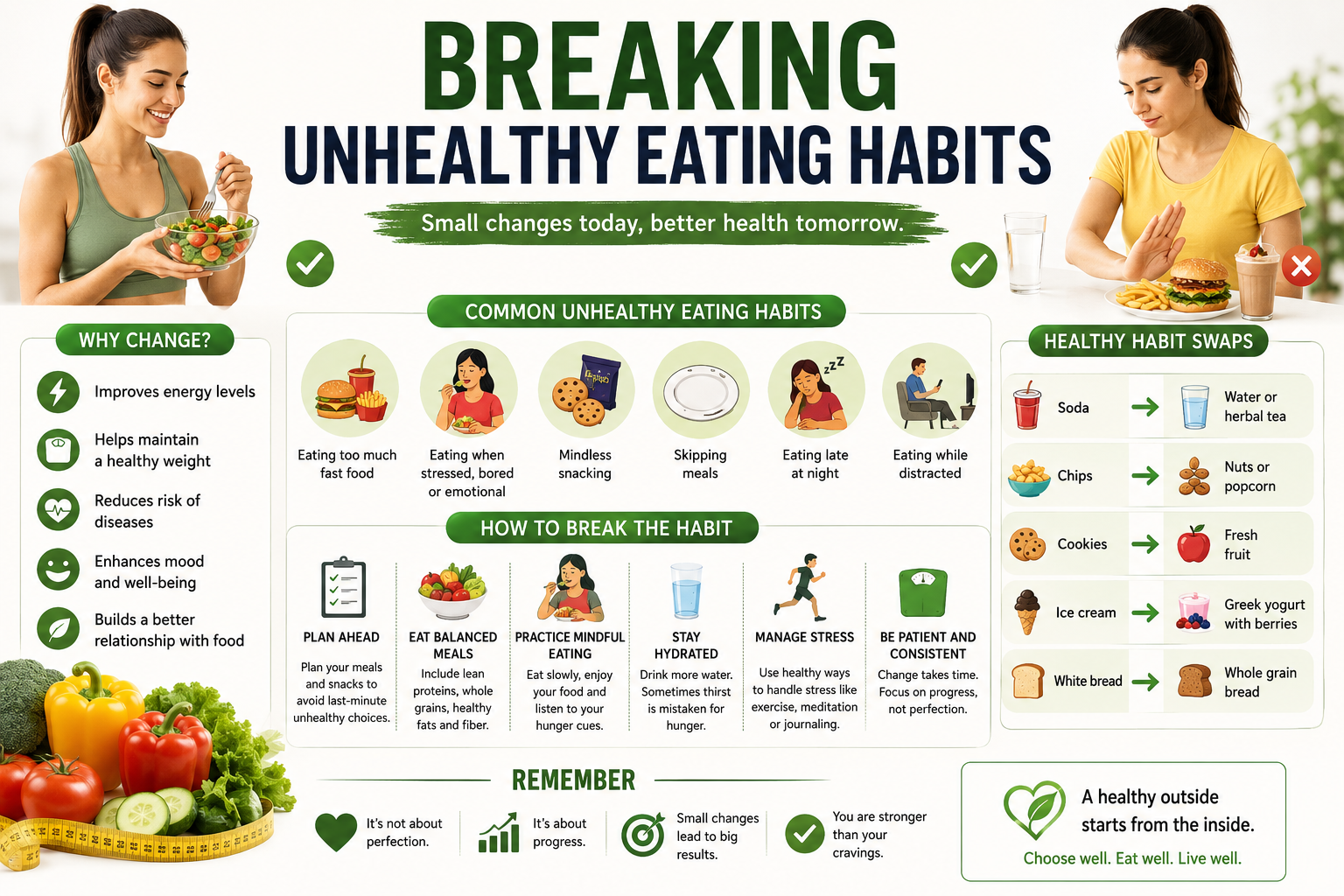
Common unhealthy eating habits include:
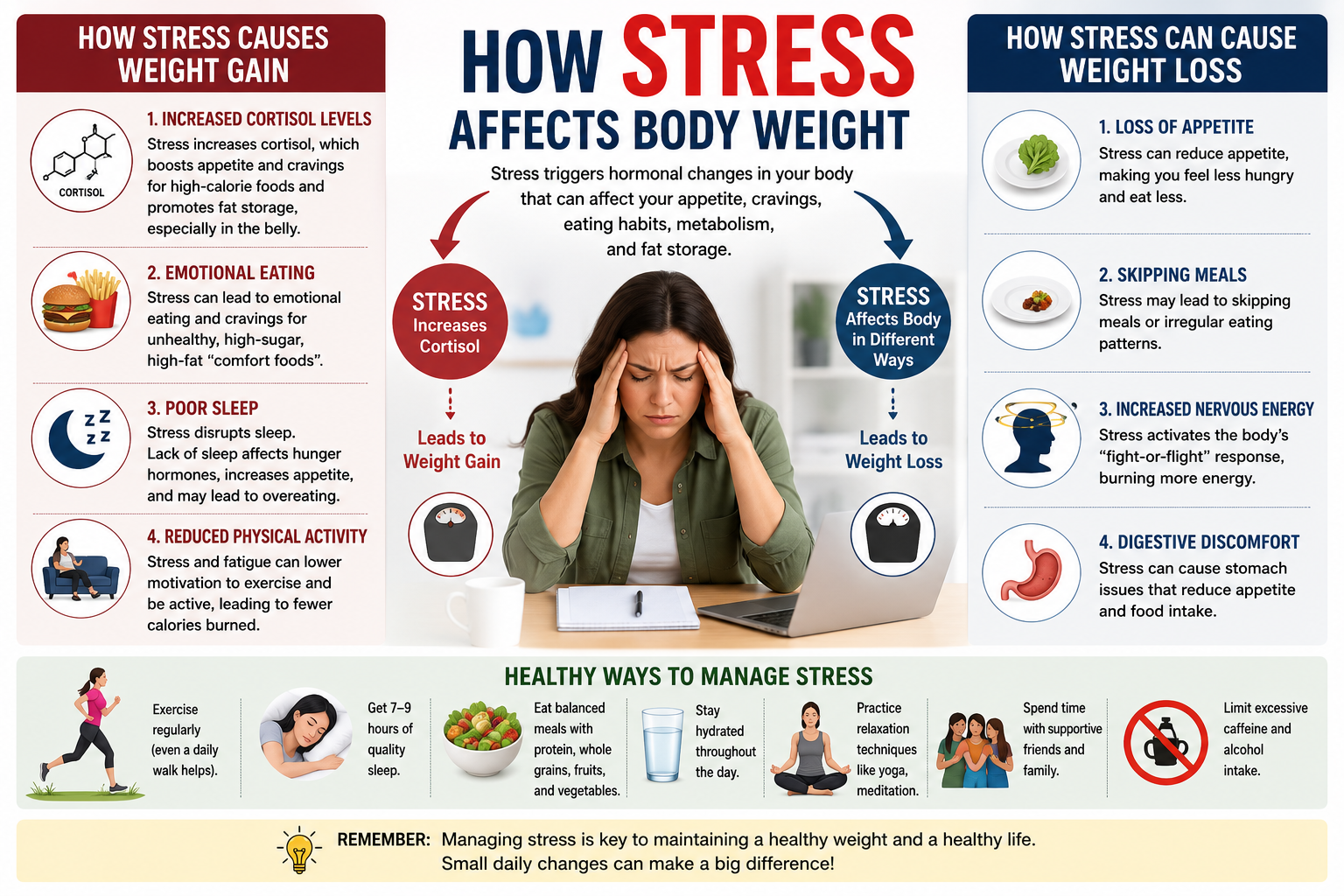
- Eating when you’re stressed, bored, or emotional.
- Skipping meals and overeating later.
- Eating too much fast food or processed foods.
- Drinking sugary beverages regularly.
- Eating large portions.
- Snacking mindlessly while watching TV or using your phone.
- Eating too quickly without noticing fullness.
Why Do We Develop Unhealthy Eating Habits?
Several factors can influence eating behaviors:
- Emotional stress or anxiety
- Busy schedules
- Lack of sleep
- Easy access to unhealthy foods
- Social gatherings
- Childhood habits
- Food cravings and marketing
Signs You Need to Change Your Eating Habits
You may benefit from changing your habits if you:
- Eat even when you’re not hungry.
- Frequently crave sugary or salty foods.
- Feel tired after meals.
- Gain weight gradually without realizing why.
- Feel guilty after eating.
- Skip breakfast or other meals regularly.
10 Effective Ways to Break Unhealthy Eating Habits
1. Eat Regular Meals
Don’t skip meals. Eating every 3–5 hours can help control hunger and reduce overeating later in the day.
2. Practice Mindful Eating
- Eat slowly.
- Chew food thoroughly.
- Avoid distractions like TV or smartphones.
- Pay attention to your hunger and fullness signals.
3. Replace Unhealthy Snacks
Swap:
- Chips → Air-popped popcorn
- Candy → Fresh fruit
- Soda → Water or sparkling water
- Cookies → Greek yogurt with berries
- Ice cream → Frozen fruit or yogurt
4. Plan Your Meals
Preparing meals in advance helps reduce last-minute fast-food choices and makes healthy eating easier.
5. Drink More Water
Sometimes thirst is mistaken for hunger. Aim for adequate water intake throughout the day.
6. Control Portion Sizes
- Use smaller plates.
- Read serving sizes.
- Avoid eating directly from large packages.
7. Manage Emotional Eating
Instead of eating when stressed:
- Go for a walk.
- Practice deep breathing.
- Journal your thoughts.
- Call a friend.
- Listen to music.
8. Get Enough Sleep
Adults generally need 7–9 hours of sleep. Poor sleep can increase hunger and cravings for high-calorie foods.
9. Keep Healthy Foods Visible
Stock your kitchen with:
- Fruits
- Vegetables
- Nuts (in moderate portions)
- Whole grains
- Lean proteins
- Low-fat dairy (if appropriate for you)
Store less nutritious snacks out of sight or avoid buying them regularly.
10. Focus on Progress, Not Perfection
One unhealthy meal doesn’t ruin your progress. Return to your healthy routine at the next meal instead of giving up.
Foods That Support Healthy Eating
- Fruits
- Vegetables
- Whole grains
- Lean meats
- Fish
- Eggs
- Beans and lentils
- Greek yogurt
- Nuts and seeds
- Healthy fats like olive oil and avocado
Habits to Avoid
- Eating late at night out of boredom
- Drinking sugary drinks frequently
- Eating too fast
- Skipping meals to “save calories”
- Constantly snacking without hunger
- Eating while distracted
- Following extreme or crash diets
Sample Healthy Day
Breakfast: Oatmeal with berries and nuts
Snack: Apple with a tablespoon of peanut butter
Lunch: Grilled chicken, brown rice, and mixed vegetables
Snack: Greek yogurt
Dinner: Baked salmon, sweet potato, and broccoli
Drink: Water throughout the day
Key Takeaways
- Build one healthy habit at a time.
- Eat balanced meals regularly.
- Choose whole, minimally processed foods most often.
- Stay hydrated and get enough sleep.
- Practice mindful eating.
- Allow occasional treats in moderation instead of aiming for perfection.