Heart Health: A Complete Guide for Better Living
What Is Heart Health?
Heart health refers to the proper functioning of your heart and blood vessels. A healthy heart efficiently pumps blood throughout the body, delivering oxygen and nutrients to every organ. Maintaining good heart health reduces the risk of heart disease, heart attack, stroke, and high blood pressure.
Why Heart Health Matters
Cardiovascular diseases are the leading cause of death worldwide. However, many heart conditions can be prevented by adopting healthy lifestyle habits such as eating a balanced diet, staying physically active, avoiding tobacco, and managing stress.
Common Risk Factors
- High blood pressure
- High cholesterol
- Diabetes
- Smoking and tobacco use
- Obesity
- Physical inactivity
- Unhealthy diet
- Excessive alcohol consumption
- Chronic stress
- Family history of heart disease
Tips for a Healthy Heart
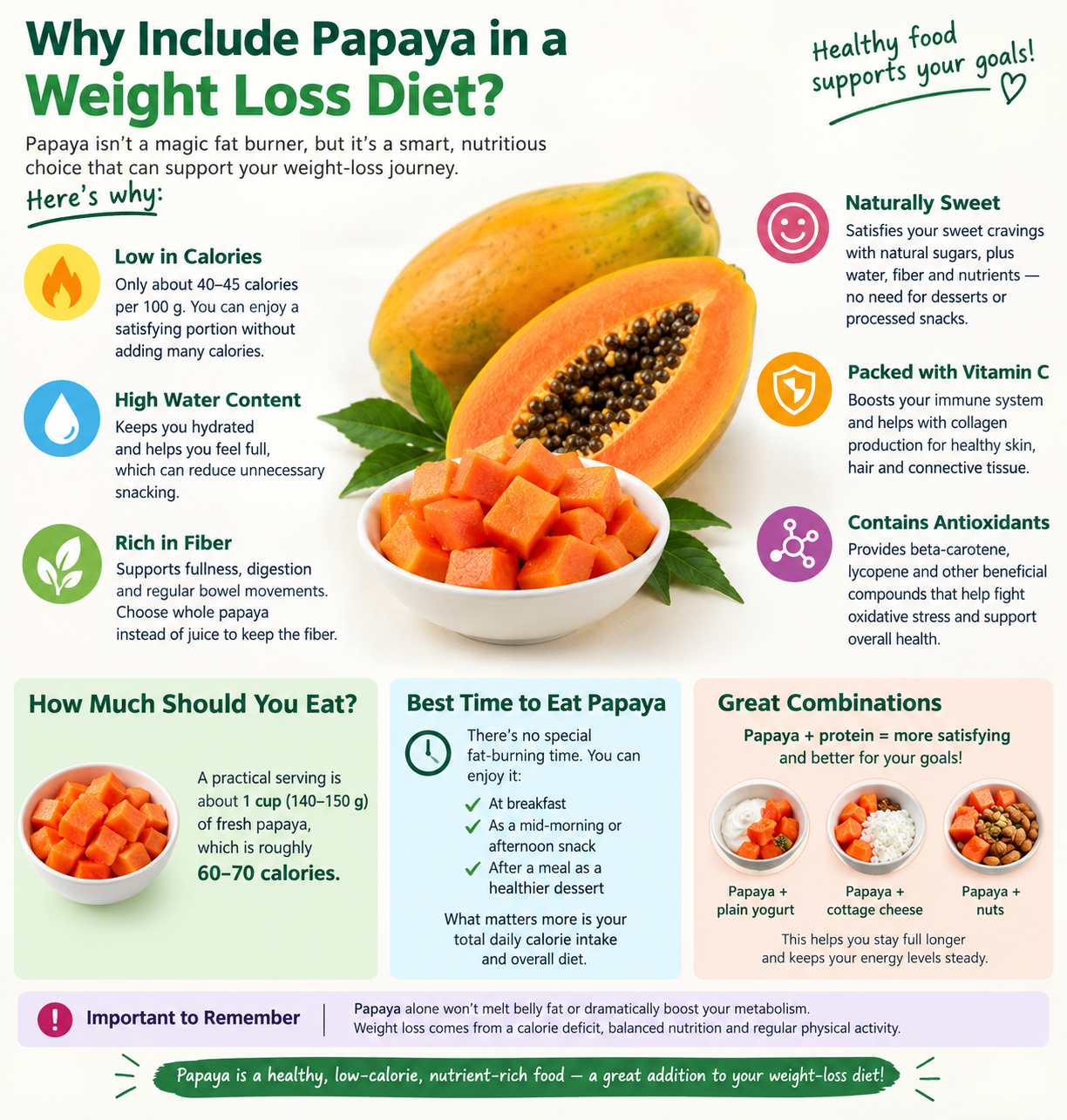
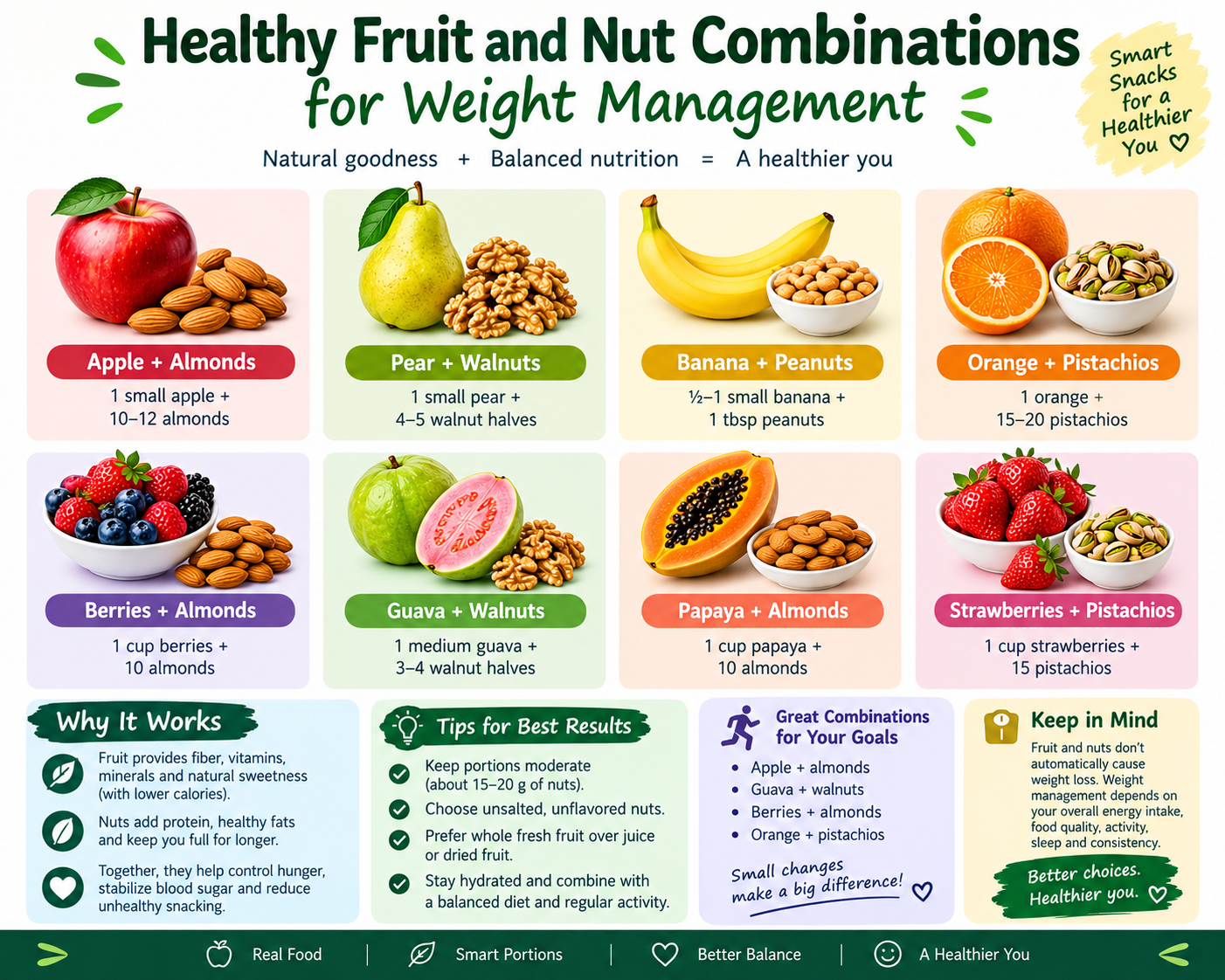
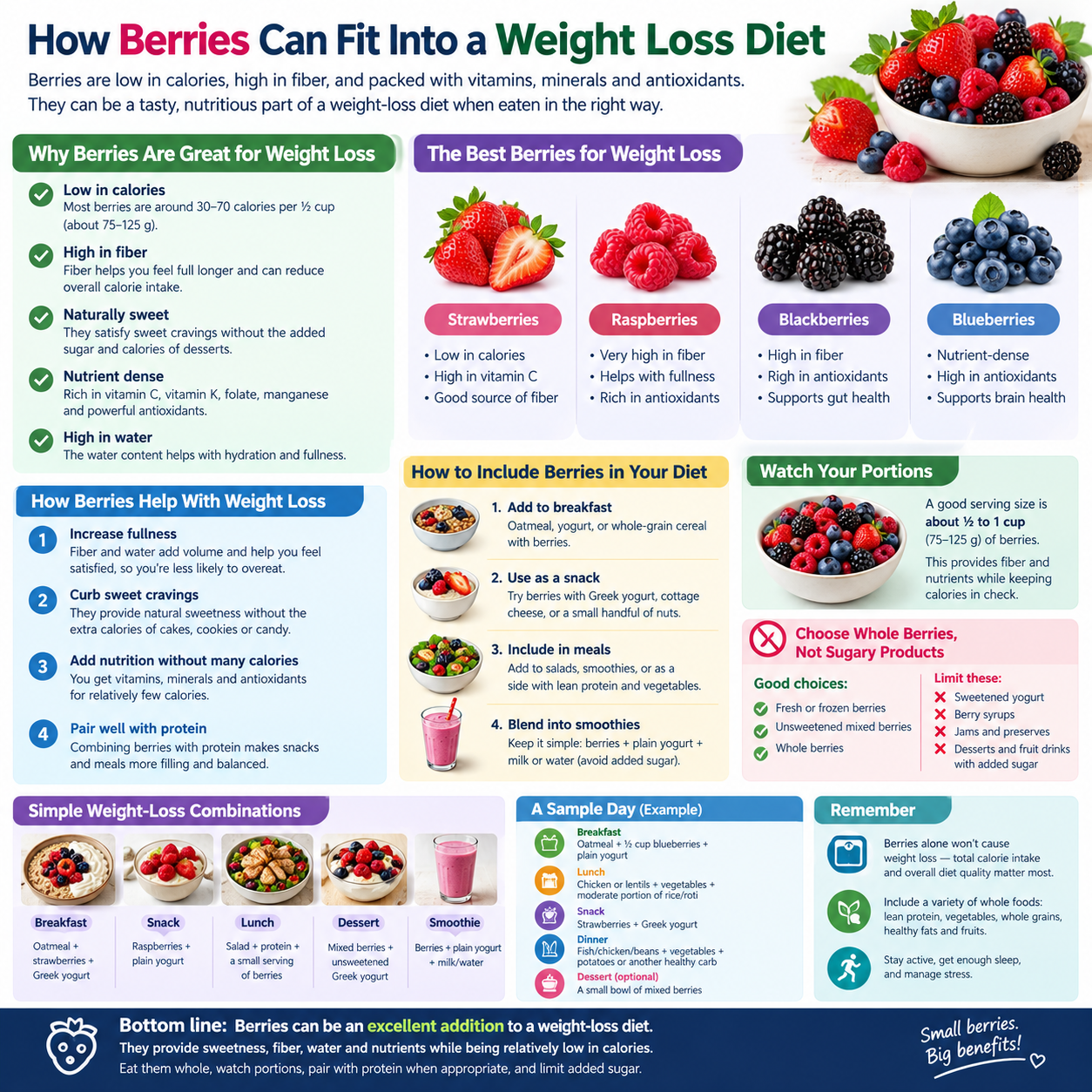
- Eat a balanced diet rich in fruits, vegetables, whole grains, lean proteins, nuts, and healthy fats.
- Exercise for at least 150 minutes of moderate physical activity each week.
- Maintain a healthy body weight.
- Avoid smoking and limit alcohol intake.
- Get 7–9 hours of quality sleep every night.
- Manage stress through relaxation techniques, meditation, or hobbies.
- Monitor your blood pressure, cholesterol, and blood sugar regularly.
- Reduce salt, added sugars, and saturated fats in your diet.
Warning Signs of Heart Problems
Seek medical attention immediately if you experience:
- Chest pain or pressure
- Shortness of breath
- Pain spreading to the arm, neck, jaw, or back
- Irregular heartbeat
- Dizziness or fainting
- Unexplained fatigue or swelling in the legs
Conclusion
A healthy heart is essential for a long and active life. Small daily habits—such as eating nutritious foods, staying active, getting enough sleep, and having regular health checkups—can greatly reduce the risk of heart disease and improve overall well-being. Even simple changes made today can have lasting benefits for your heart health.