Foods That Boost Metabolism: A Complete Guide
Many people believe there are “magic foods” that dramatically increase metabolism. In reality, no single food can significantly speed up your metabolism on its own. However, certain foods can provide a small boost by increasing calorie burning during digestion, supporting muscle maintenance, or helping regulate appetite. Combined with regular exercise and a balanced diet, these foods can contribute to healthy weight management.
What Is Metabolism?
Metabolism is the process by which your body converts food into energy. It powers essential functions such as breathing, digestion, circulation, and physical activity. Your metabolic rate is influenced by factors like age, genetics, muscle mass, hormones, and activity level.
Top Foods That May Boost Metabolism
1. Protein-Rich Foods
Protein requires more energy to digest than carbohydrates or fats, increasing the thermic effect of food (TEF).
Best sources:
- Chicken breast
- Turkey
- Eggs
- Fish
- Greek yogurt
- Cottage cheese
- Lentils
- Beans
- Tofu
Benefits:
- Supports muscle growth
- Keeps you full longer
- Helps burn slightly more calories during digestion
2. Chili Peppers
Chili peppers contain capsaicin, a compound that may slightly increase calorie burning and fat oxidation.
Examples:
- Jalapeños
- Cayenne pepper
- Red chili peppers
Benefits:
- Temporary increase in metabolism
- May reduce appetite in some people
3. Green Tea
Green tea contains antioxidants called catechins along with caffeine, which may modestly increase energy expenditure.
Benefits:
- Supports fat oxidation
- Provides antioxidants
- May improve exercise performance
4. Coffee
Coffee contains caffeine, a natural stimulant that can temporarily increase metabolic rate.
Benefits:
- Improves alertness
- May increase calorie burning for a short time
- Can enhance workout performance
Tip: Avoid adding excessive sugar or cream.
5. Whole Grains
Whole grains take longer to digest than refined grains.
Examples:
- Oats
- Brown rice
- Quinoa
- Barley
Benefits:
- High in fiber
- Helps stabilize blood sugar
- Promotes fullness
6. Legumes
Beans, chickpeas, peas, and lentils are rich in both protein and fiber.
Benefits:
- Increase satiety
- Support digestive health
- Help maintain lean muscle
7. Nuts and Seeds
Healthy fats, protein, and fiber make nuts and seeds nutritious snacks.
Best choices:
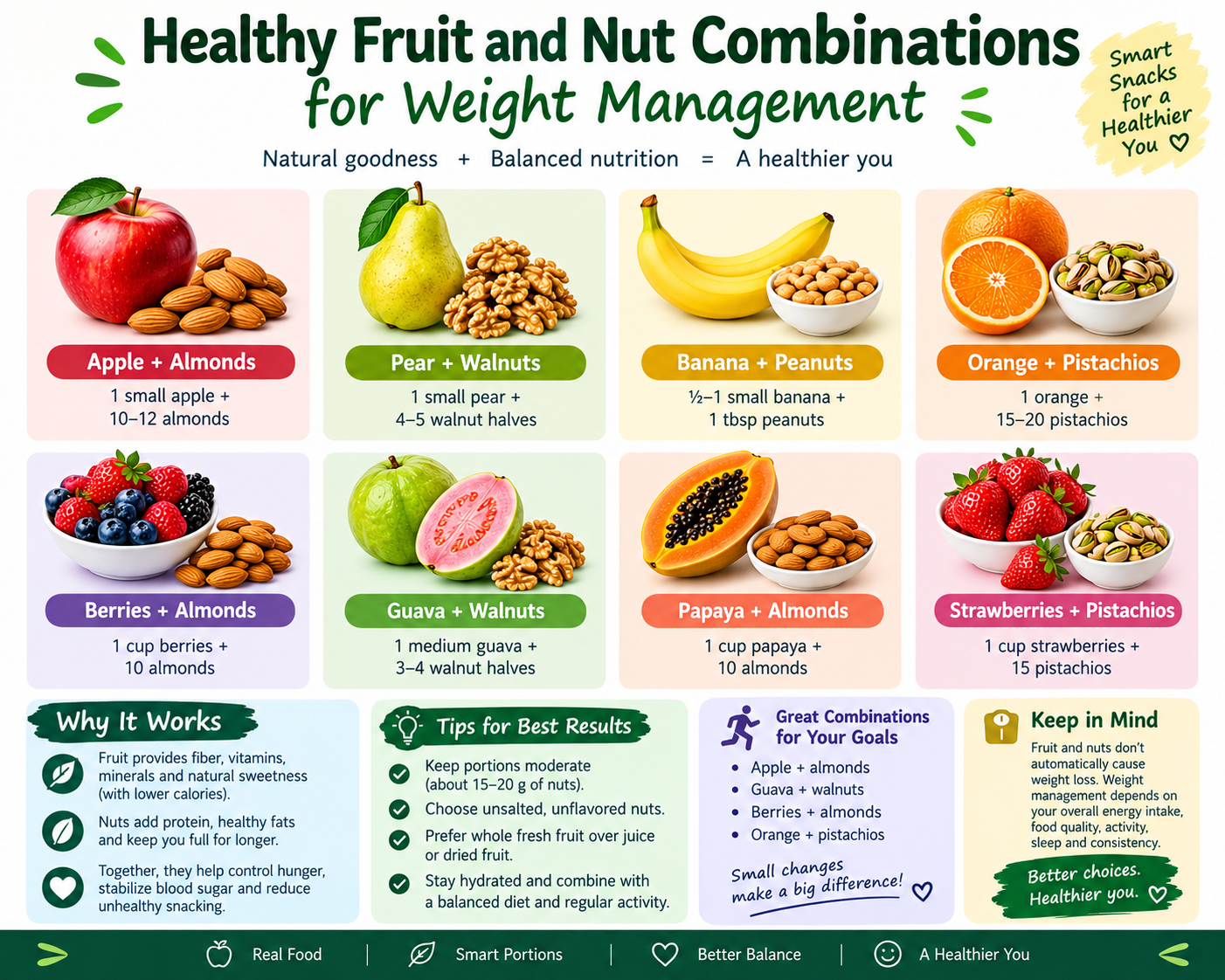
- Almonds
- Walnuts
- Chia seeds
- Flaxseeds
- Pumpkin seeds
Benefits:
- Support heart health
- Help control hunger
- Provide essential nutrients
8. Fatty Fish
Fish rich in omega-3 fatty acids may support overall metabolic health.
Examples:
- Salmon
- Sardines
- Mackerel
- Tuna
Benefits:
- High-quality protein
- Omega-3 fats
- Supports muscle maintenance
9. Ginger
Ginger may have a small thermogenic effect and can aid digestion.
Benefits:
- May slightly increase calorie burning
- Supports digestive comfort
- Contains anti-inflammatory compounds
10. Water
Drinking enough water is essential for normal metabolism.
Benefits:
- Supports all metabolic processes
- Helps maintain exercise performance
- May slightly increase calorie burning after drinking cold water
Lifestyle Habits That Support a Healthy Metabolism
Food alone has only a modest effect. These habits have a greater impact:
- Strength training to build muscle
- Regular physical activity
- Eating enough protein
- Getting 7–9 hours of sleep
- Managing stress
- Staying hydrated
- Avoiding overly restrictive diets
Sample Metabolism-Friendly Meal Plan
Breakfast
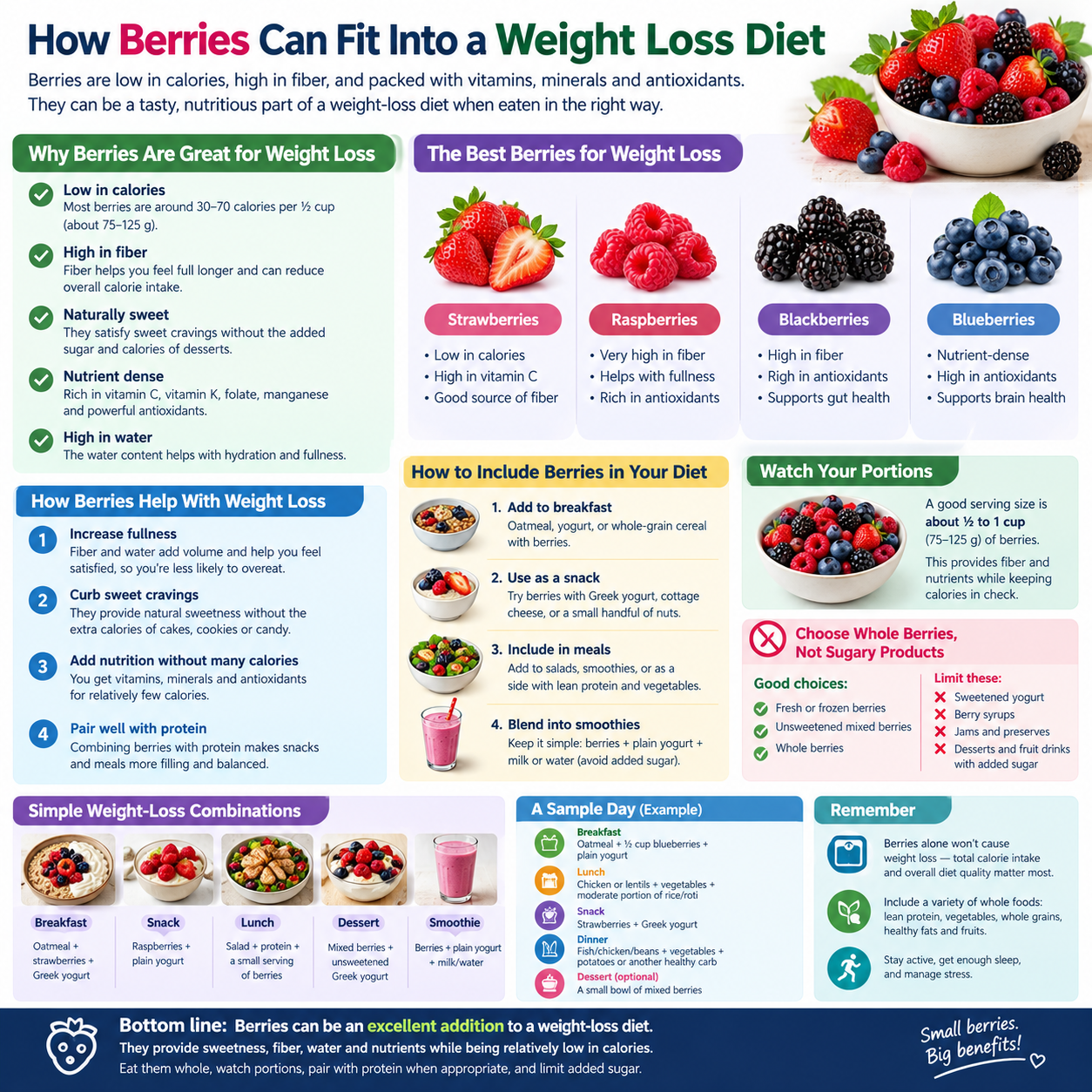
- Greek yogurt with berries and chia seeds
Snack
- A handful of almonds
Lunch
- Grilled chicken, quinoa, and steamed vegetables
Snack
- Green tea and an apple
Dinner
- Baked salmon with brown rice and broccoli
Myths About Metabolism
- Myth: Certain foods melt fat.
- Fact: No food directly burns body fat. Fat loss occurs when you consistently consume fewer calories than you burn.
- Myth: Spicy foods cause major weight loss.
- Fact: Their effect on metabolism is small and temporary.
- Myth: Skipping meals speeds up weight loss.
- Fact: Skipping meals can make it harder to meet nutrient needs and may increase hunger later.
Conclusion
Foods such as lean proteins, green tea, coffee, chili peppers, whole grains, legumes, nuts, seeds, fatty fish, and ginger can make a modest contribution to a healthy metabolism. The biggest drivers of long-term metabolic health and weight management remain regular exercise, sufficient protein intake, good sleep, hydration, and a balanced eating pattern.