Immune System Support: How to Keep Your Body’s Natural Defenses Strong
Your immune system is your body’s natural defense against harmful bacteria, viruses, fungi, and other disease-causing organisms. It is made up of a complex network of cells, tissues, and organs that work together to identify and destroy harmful invaders while protecting healthy cells. A strong immune system helps reduce the risk of infections and supports overall health and well-being.
Why Is Immune System Support Important?
A healthy immune system helps your body:
- Fight off viruses, bacteria, and other pathogens.
- Recover more quickly from illness.
- Reduce the severity of common infections.
- Protect against harmful environmental threats.
- Maintain overall health and energy.
Natural Ways to Support Your Immune System
1. Eat a Nutrient-Rich Diet
A balanced diet provides the vitamins and minerals your immune system needs to function properly. Include:
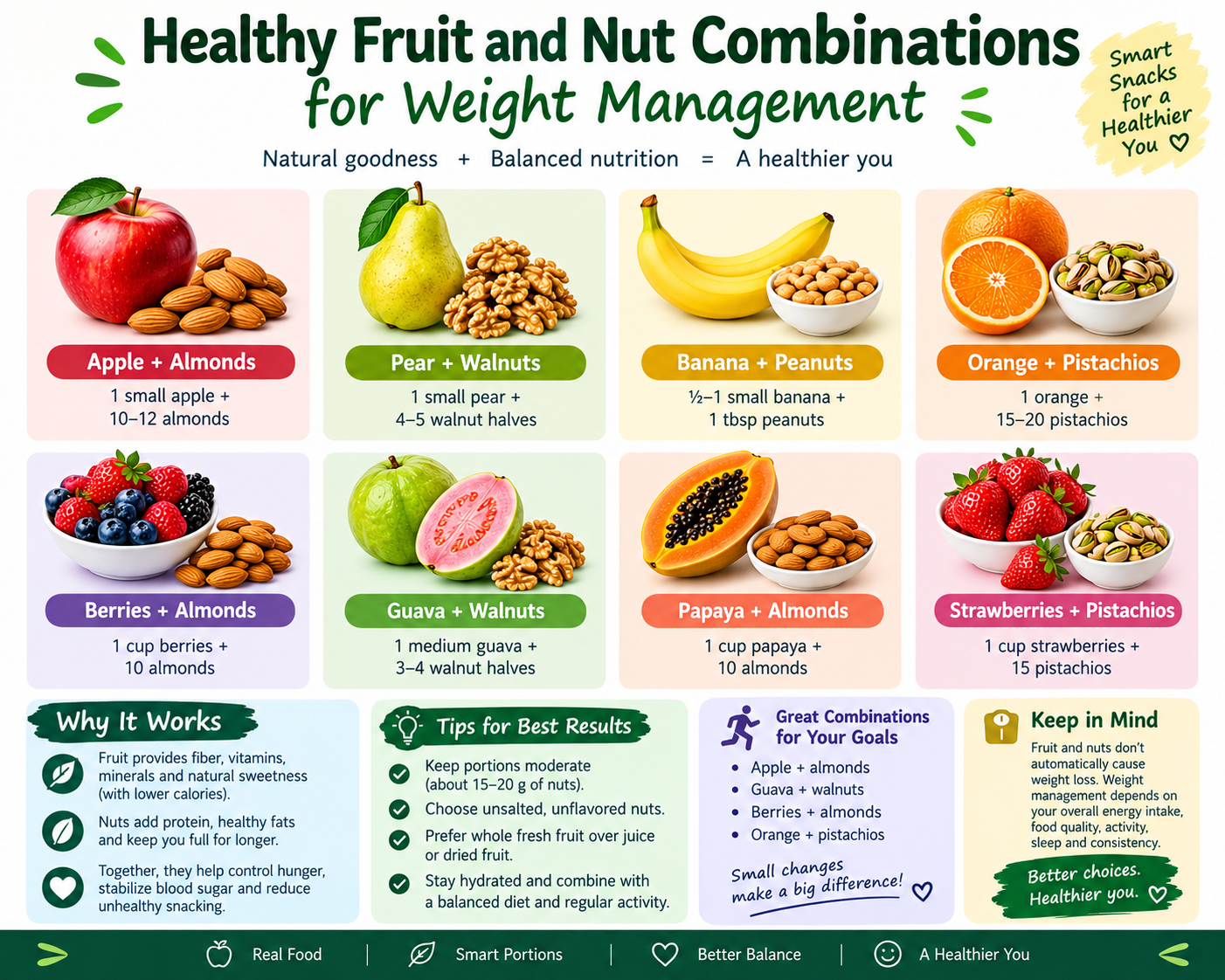
- Citrus fruits (oranges, lemons, grapefruit) for Vitamin C.
- Leafy green vegetables like spinach and kale.
- Garlic and ginger for their natural health-supporting compounds.
- Yogurt and fermented foods for beneficial probiotics.
- Nuts and seeds for Vitamin E and healthy fats.
2. Get Enough Sleep
Adults should aim for 7–9 hours of quality sleep each night. During sleep, your body repairs tissues and produces immune cells that help fight infections.
3. Stay Physically Active
Regular exercise improves blood circulation and supports healthy immune function. Aim for at least 150 minutes of moderate exercise per week, such as brisk walking, cycling, or swimming.
4. Stay Hydrated
Water helps transport nutrients, remove waste products, and supports every system in your body, including the immune system.
5. Manage Stress
Long-term stress may negatively affect immune function. Try stress-management techniques such as meditation, deep breathing, yoga, or spending time outdoors.
Key Nutrients That Support Immune Health
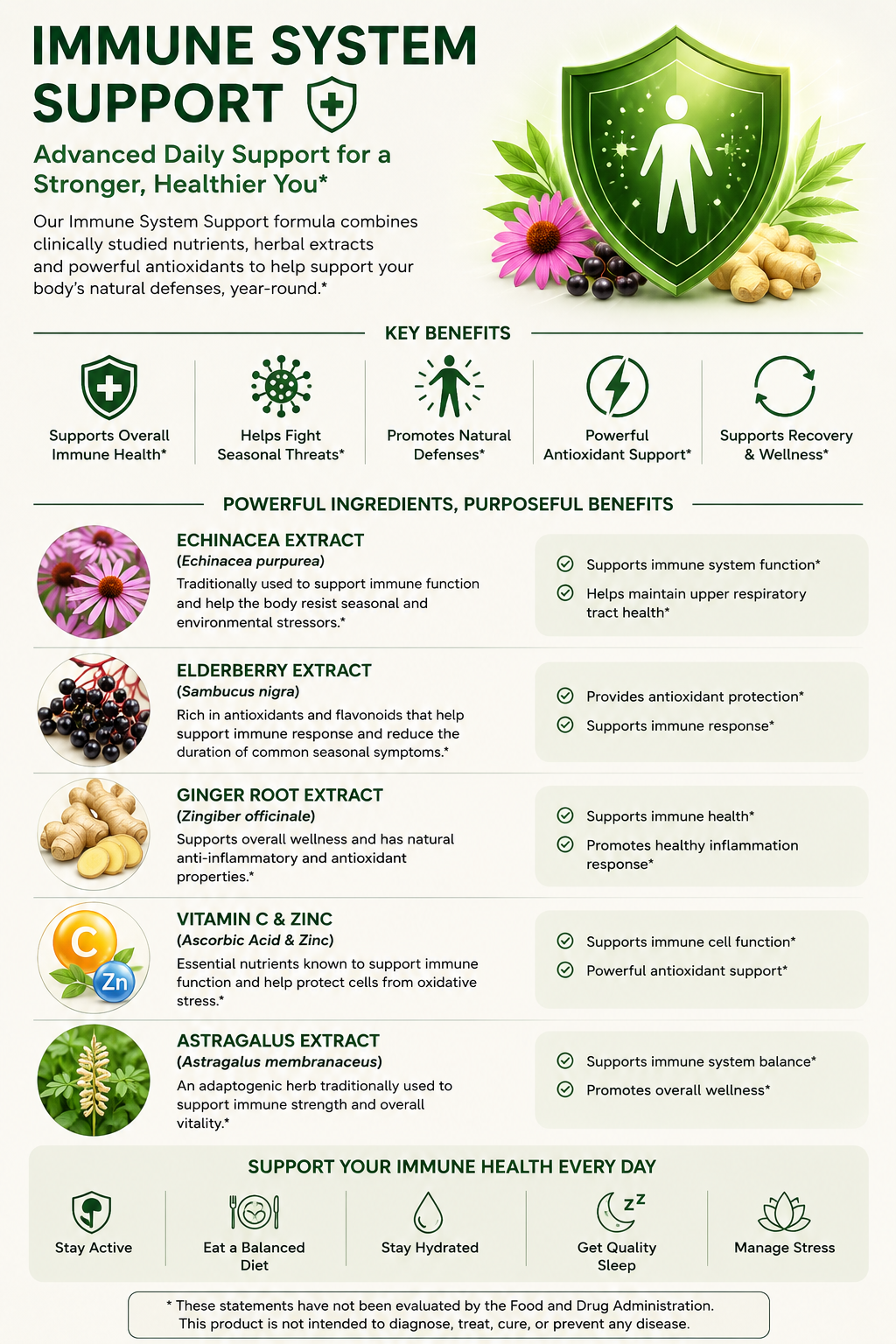
- Vitamin C: Supports normal immune function and acts as an antioxidant.
- Vitamin D: Helps regulate immune responses.
- Zinc: Plays an important role in immune cell development and communication.
- Vitamin E: Protects cells from oxidative stress.
- Selenium: Supports antioxidant defenses and immune function.
- Probiotics: Help maintain a healthy balance of beneficial gut bacteria, which are linked to immune health.
Healthy Lifestyle Habits
To keep your immune system functioning well:
- Wash your hands regularly.
- Avoid smoking.
- Limit alcohol consumption.
- Maintain a healthy body weight.
- Keep vaccinations up to date.
- Schedule regular health checkups.
Can Supplements Help?
Dietary supplements may help if you have a nutrient deficiency or are unable to meet your nutritional needs through food alone. However, supplements should not replace a balanced diet or healthy lifestyle. Always follow recommended dosages and consult a healthcare professional before starting any new supplement, especially if you are pregnant, nursing, have a medical condition, or take prescription medications.
Final Thoughts
Supporting your immune system involves a combination of healthy eating, regular physical activity, quality sleep, stress management, hydration, and good hygiene. No single food or supplement can prevent illness, but maintaining healthy daily habits gives your immune system the best chance to function effectively and keep you healthy throughout the year.