Best Lifestyle Habits for Hormonal Health
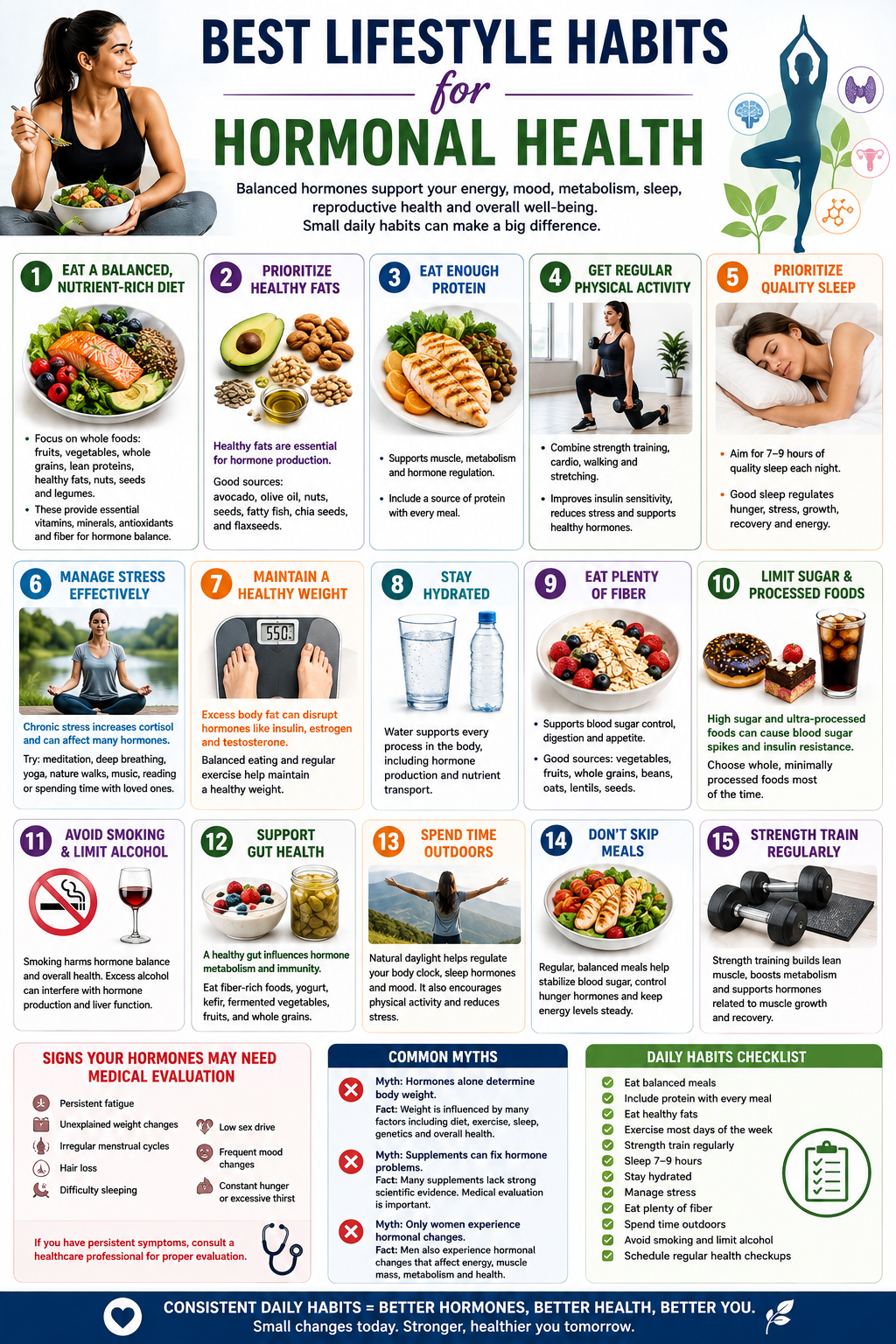
Hormones are chemical messengers that regulate many essential functions in the body, including metabolism, energy levels, mood, sleep, appetite, growth, and reproductive health. When hormones are balanced, your body functions more efficiently, making it easier to maintain a healthy weight, stay energized, and feel your best. While some hormonal conditions require medical treatment, everyday lifestyle habits play a significant role in supporting healthy hormone function.
Why Hormonal Health Matters
Hormones help regulate:
- Metabolism
- Blood sugar levels
- Appetite and hunger
- Sleep cycles
- Stress response
- Muscle growth
- Bone health
- Reproductive health
- Mood and mental well-being
Poor lifestyle habits can disrupt hormonal balance, increasing the risk of weight gain, fatigue, poor sleep, and other health concerns.
1. Eat a Balanced, Nutrient-Rich Diet
Nutrition is one of the most important factors influencing hormone production and regulation.
Include foods such as:
- Fresh fruits and vegetables
- Whole grains
- Lean proteins
- Healthy fats
- Legumes
- Nuts and seeds
These foods provide vitamins, minerals, antioxidants, and fiber that support overall hormone health.
Prioritize Healthy Fats
Hormones are made from cholesterol and other fats, making healthy fats an essential part of the diet.
Good sources include:
- Avocados
- Olive oil
- Almonds
- Walnuts
- Chia seeds
- Flaxseeds
- Fatty fish like salmon
2. Eat Enough Protein
Protein supports muscle maintenance and helps regulate hormones involved in appetite, such as ghrelin and peptide YY. Including protein in each meal can also improve satiety and support healthy body composition.
3. Get Regular Physical Activity
Exercise benefits nearly every hormone system in the body.
Aim to combine:
- Strength training
- Cardiovascular exercise
- Walking
- Stretching and mobility exercises
Regular physical activity helps improve insulin sensitivity, supports healthy metabolism, and reduces stress.
4. Prioritize Quality Sleep
Sleep plays a vital role in regulating hormones that control:
- Hunger
- Stress
- Growth
- Recovery
- Energy levels
Adults should aim for 7–9 hours of quality sleep each night.
Tips for better sleep:
- Maintain a consistent bedtime.
- Limit screen time before bed.
- Keep the bedroom cool and dark.
- Avoid heavy meals close to bedtime.
5. Manage Stress Effectively
Chronic stress increases cortisol levels, which may affect appetite, blood sugar regulation, and fat storage.
Healthy ways to reduce stress include:
- Meditation
- Deep breathing
- Yoga
- Reading
- Spending time in nature
- Listening to music
- Talking with friends and family
6. Maintain a Healthy Weight
Excess body fat can affect hormones such as insulin, estrogen, and testosterone. Achieving and maintaining a healthy weight through balanced eating and regular exercise supports better hormone function.
7. Stay Hydrated
Water supports nearly every process in the body, including nutrient transport, temperature regulation, and cellular function.
Aim to drink enough water throughout the day, adjusting intake based on activity level, climate, and individual needs.
8. Eat Plenty of Fiber
Fiber supports:
- Blood sugar control
- Digestive health
- Healthy cholesterol levels
- Appetite regulation
High-fiber foods include:
- Vegetables
- Fruits
- Whole grains
- Beans
- Lentils
- Oats
- Seeds
9. Limit Added Sugar and Highly Processed Foods
Frequent consumption of sugary drinks and ultra-processed foods may contribute to insulin resistance and excess calorie intake.
Instead, choose minimally processed, nutrient-dense foods most of the time.
10. Avoid Smoking and Limit Alcohol
Smoking negatively affects overall health, while excessive alcohol intake can interfere with hormone production and liver function.
Avoid tobacco products and consume alcohol only in moderation if you choose to drink.
11. Support Gut Health
A healthy gut microbiome may influence hormone metabolism and immune function.
Support gut health by eating:
- High-fiber foods
- Yogurt with live cultures (if tolerated)
- Kefir
- Fermented vegetables
- Fruits and vegetables
- Whole grains
12. Spend Time Outdoors
Exposure to natural daylight helps regulate your body’s internal clock (circadian rhythm), which influences hormones involved in sleep and energy.
Outdoor activity also supports mental well-being and physical activity.
13. Don’t Skip Meals Regularly
Frequently skipping meals may increase hunger later in the day for some people and make healthy eating more difficult. Regular, balanced meals can help support steady energy levels and appetite control.
14. Strength Train Regularly
Resistance training helps maintain lean muscle, supports metabolism, and may positively influence hormones related to muscle growth and recovery.
Aim for at least 2–3 sessions per week, targeting all major muscle groups.
15. Schedule Regular Health Checkups
Some hormonal disorders, such as thyroid disease, diabetes, or polycystic ovary syndrome (PCOS), require medical evaluation and treatment.
Regular checkups can help detect potential issues early.
Signs Your Hormones May Need Medical Evaluation
Consult a healthcare professional if you experience:
- Persistent fatigue
- Unexplained weight gain or weight loss
- Irregular menstrual cycles
- Hair loss
- Difficulty sleeping
- Low sex drive
- Frequent mood changes
- Constant hunger or excessive thirst
These symptoms can have many possible causes and should be evaluated by a qualified healthcare provider.
Common Myths About Hormonal Health
Myth: Hormones alone determine body weight.
Fact: Weight is influenced by many factors, including diet, physical activity, sleep, genetics, medications, and overall health.
Myth: Supplements can fix hormone problems.
Fact: Many supplements marketed for “hormone balance” lack strong scientific evidence. Medical evaluation is important if you suspect a hormonal disorder.
Myth: Only women experience hormonal changes.
Fact: Men also experience hormonal changes that can affect metabolism, muscle mass, energy, and overall health.
Daily Habits Checklist
- Eat balanced meals.
- Include protein with every meal.
- Eat healthy fats.
- Exercise most days of the week.
- Strength train regularly.
- Sleep 7–9 hours.
- Stay hydrated.
- Manage stress.
- Eat plenty of fiber.
- Spend time outdoors.
- Avoid smoking.
- Limit alcohol.
- Schedule regular health checkups.
Final Thoughts
Healthy hormones are supported by consistent daily habits rather than quick fixes. Eating a balanced diet, staying physically active, getting enough sleep, managing stress, maintaining a healthy weight, and staying hydrated all contribute to better hormone function and overall well-being. If you have persistent symptoms that suggest a hormonal imbalance, consult a healthcare professional for proper evaluation and personalized treatment. Consistency with healthy lifestyle habits is one of the most effective ways to support long-term hormonal health and overall fitness.