Weight loss during menopause can be more challenging, but it is absolutely possible with the right approach. Hormonal changes, aging, and lifestyle factors all contribute to weight gain, especially around the abdomen.
Why weight gain happens during menopause
During menopause:
- Estrogen levels decline, which promotes fat storage around the waist.
- Muscle mass decreases with age, slowing metabolism.
- Sleep disturbances and hot flashes can increase hunger hormones and cravings.
- Stress may raise cortisol, which is associated with abdominal fat.
- Physical activity often decreases due to fatigue, joint pain, or busy schedules.
Effective strategies for weight loss
1. Focus on protein
Aim for 20–30 grams of protein per meal to help preserve muscle and keep you full.
Good sources include:
- Eggs
- Fish
- Chicken
- Greek yogurt
- Cottage cheese
- Lentils
- Tofu
2. Eat more fiber
Fiber improves fullness and supports blood sugar control.
Choose:
- Vegetables
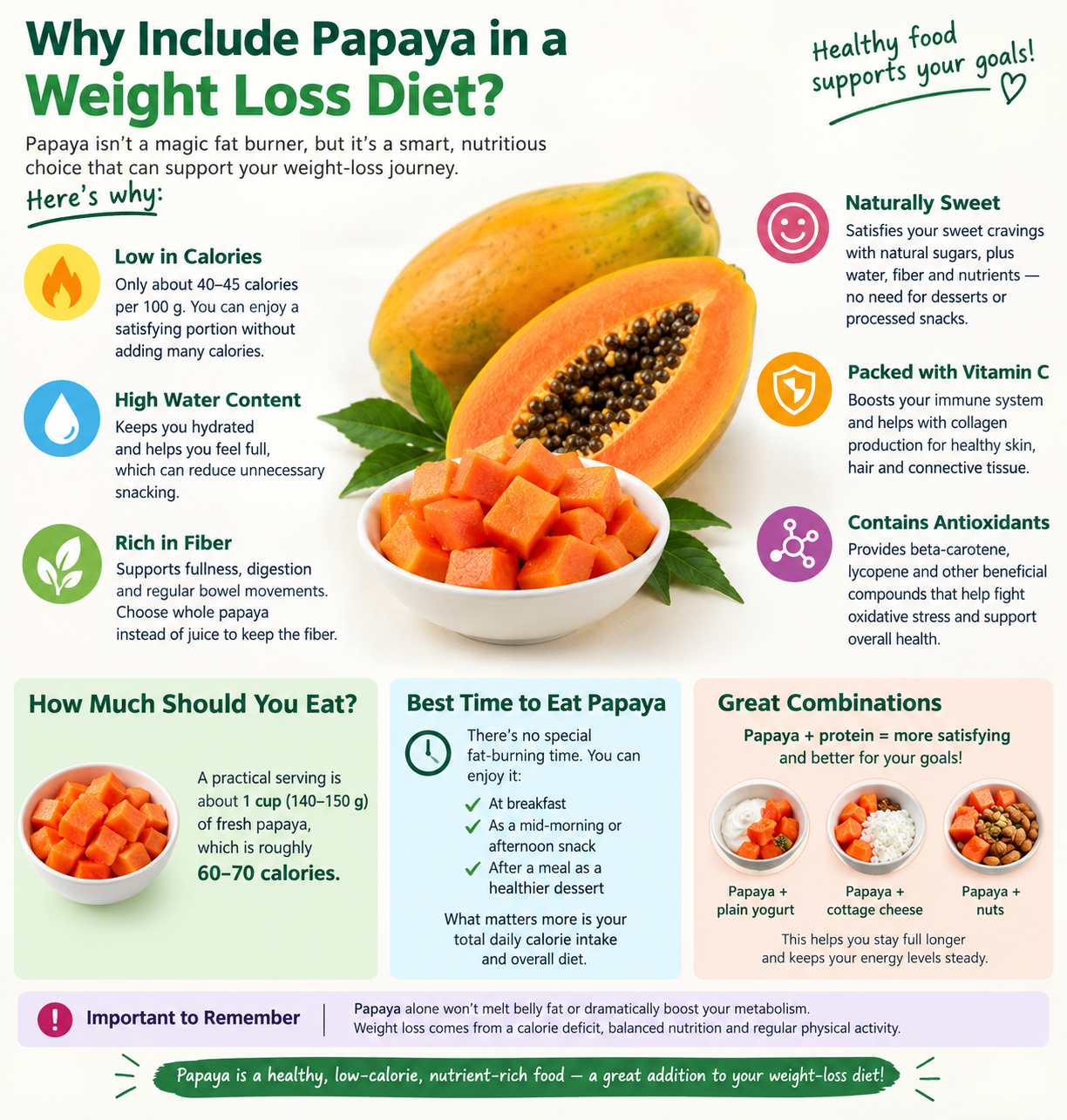
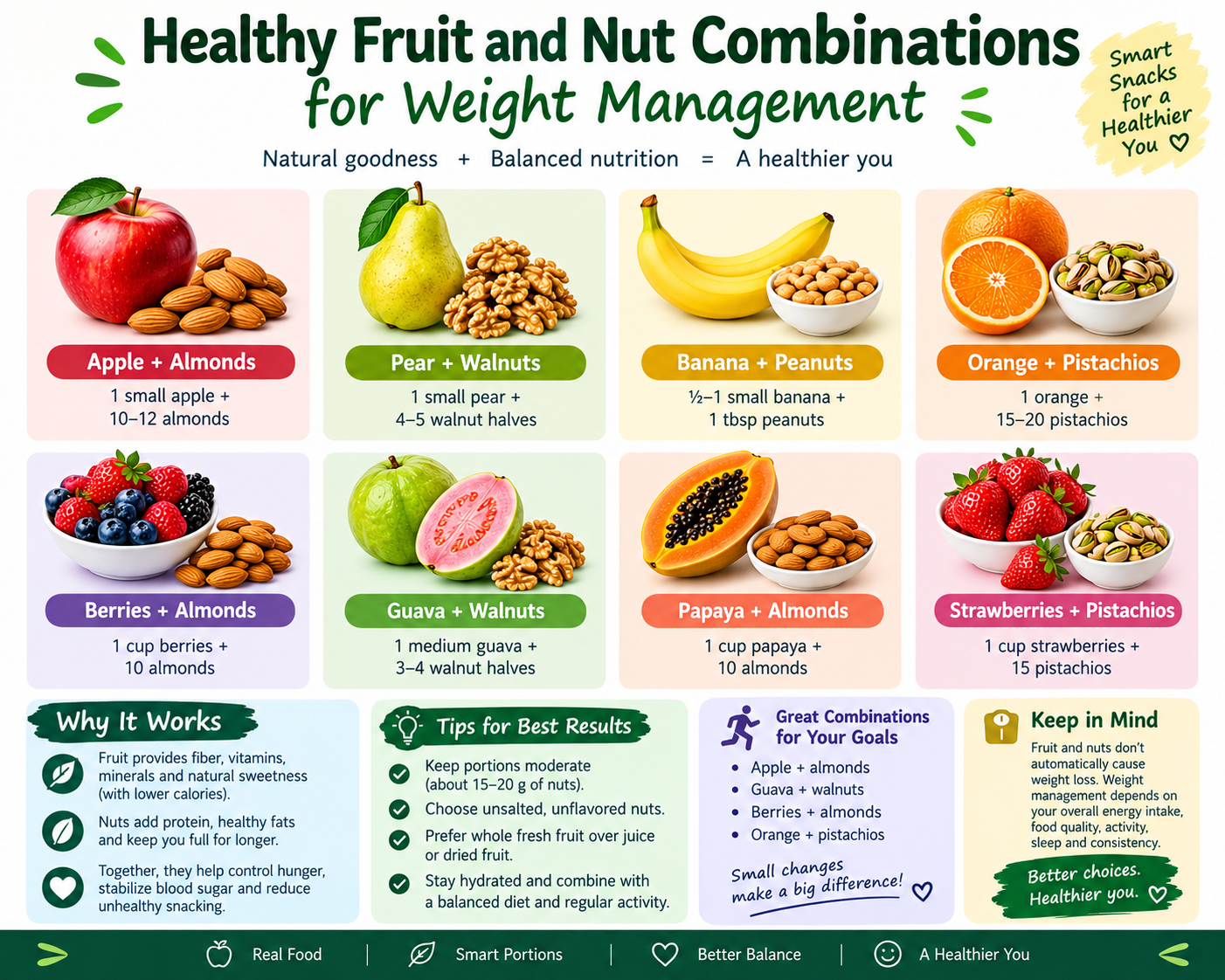
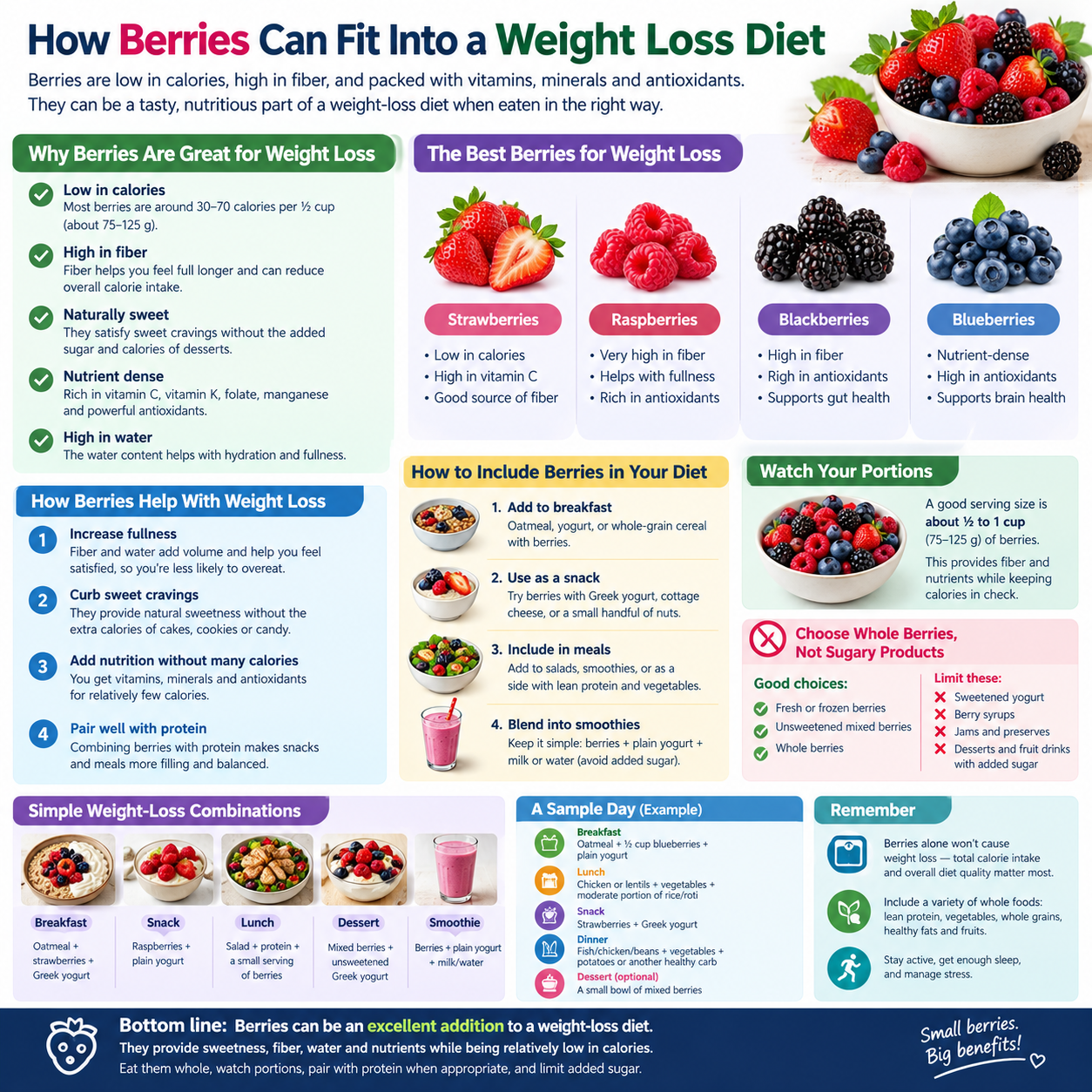
- Fruits
- Beans
- Whole grains
- Chia and flax seeds
Aim for 25–30 grams of fiber daily.
3. Strength training
Resistance exercise is especially important during menopause because it helps:
- Build and maintain muscle
- Increase calorie burning
- Improve bone health
- Reduce belly fat over time
Aim for 2–3 sessions per week.
4. Add regular cardio
Include activities such as:
- Brisk walking
- Cycling
- Swimming
- Dancing
Target 150–300 minutes of moderate activity per week.
5. Prioritize sleep
Poor sleep can make weight loss much harder.
Try to get 7–9 hours of quality sleep by maintaining a regular schedule and limiting caffeine and screens before bed.
6. Manage stress
Stress can lead to emotional eating and increased belly fat.
Helpful techniques include:
- Yoga
- Meditation
- Deep breathing
- Walking outdoors
- Spending time with friends and family
Foods to eat more often
- Lean protein
- Colorful vegetables
- Whole fruits
- Whole grains
- Healthy fats (olive oil, nuts, avocado)
- Low-fat dairy or fortified alternatives
Foods to limit
- Sugary drinks
- Sweets and desserts
- Refined carbohydrates (white bread, pastries)
- Highly processed snacks
- Excess alcohol
Can hormone therapy help?
Menopausal hormone therapy is not a weight-loss treatment, but it may improve symptoms such as hot flashes and sleep problems, which can make it easier to maintain healthy habits. Discuss the benefits and risks with your healthcare provider.
Are weight-loss medications an option?
For some people with obesity or weight-related health conditions, prescription medications (such as GLP-1 receptor agonists) may be appropriate alongside diet and exercise. These should only be used under medical supervision.
Realistic expectations
A healthy, sustainable rate of weight loss is about 0.5–1 kg (1–2 pounds) per week. Even losing 5–10% of your body weight can improve blood pressure, blood sugar, cholesterol, and overall health.