
Fiber is an essential nutrient that plays a significant role in healthy weight loss. It is a type of carbohydrate found in plant-based foods that the body cannot fully digest. Because fiber moves slowly through the digestive system, it helps people feel full for longer periods, reducing hunger and the temptation to overeat. This makes it easier to control calorie intake and maintain a healthy eating pattern.
There are two main types of fiber: soluble fiber and insoluble fiber. Soluble fiber dissolves in water to form a gel-like substance that slows digestion, helps regulate blood sugar levels, and may lower cholesterol. Insoluble fiber adds bulk to stool, promotes regular bowel movements, and supports digestive health. Both types contribute to overall well-being and can support weight management.
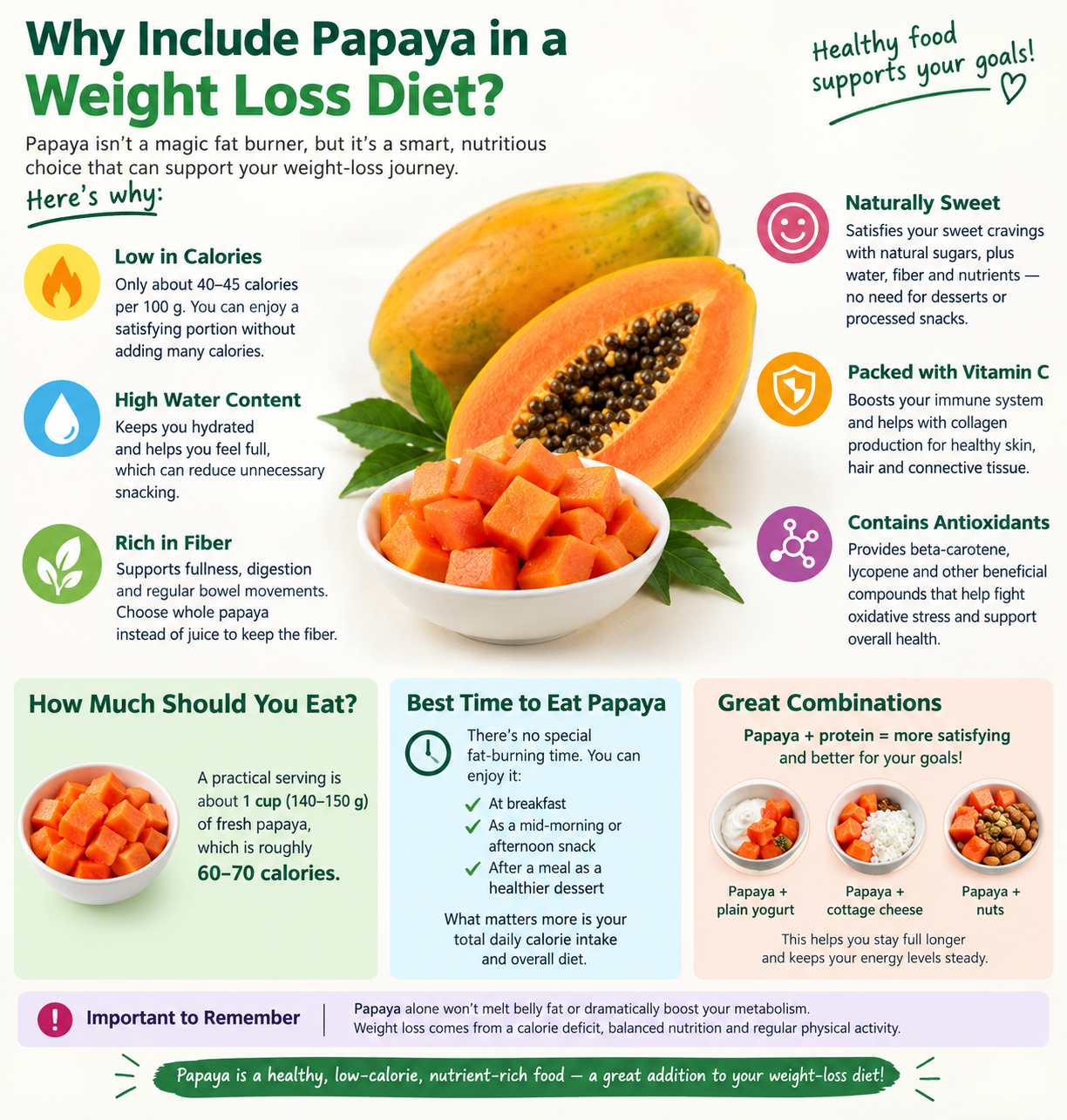
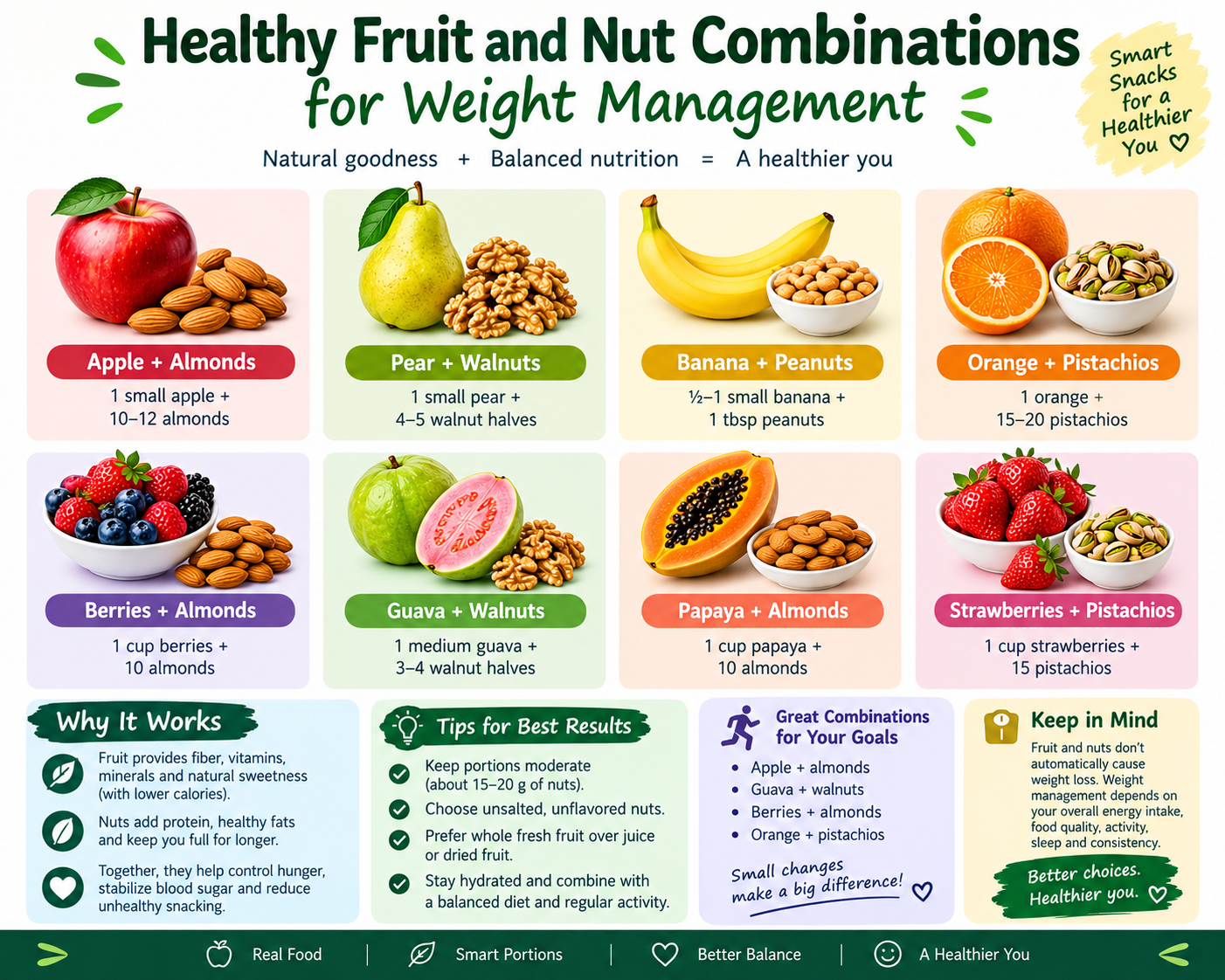
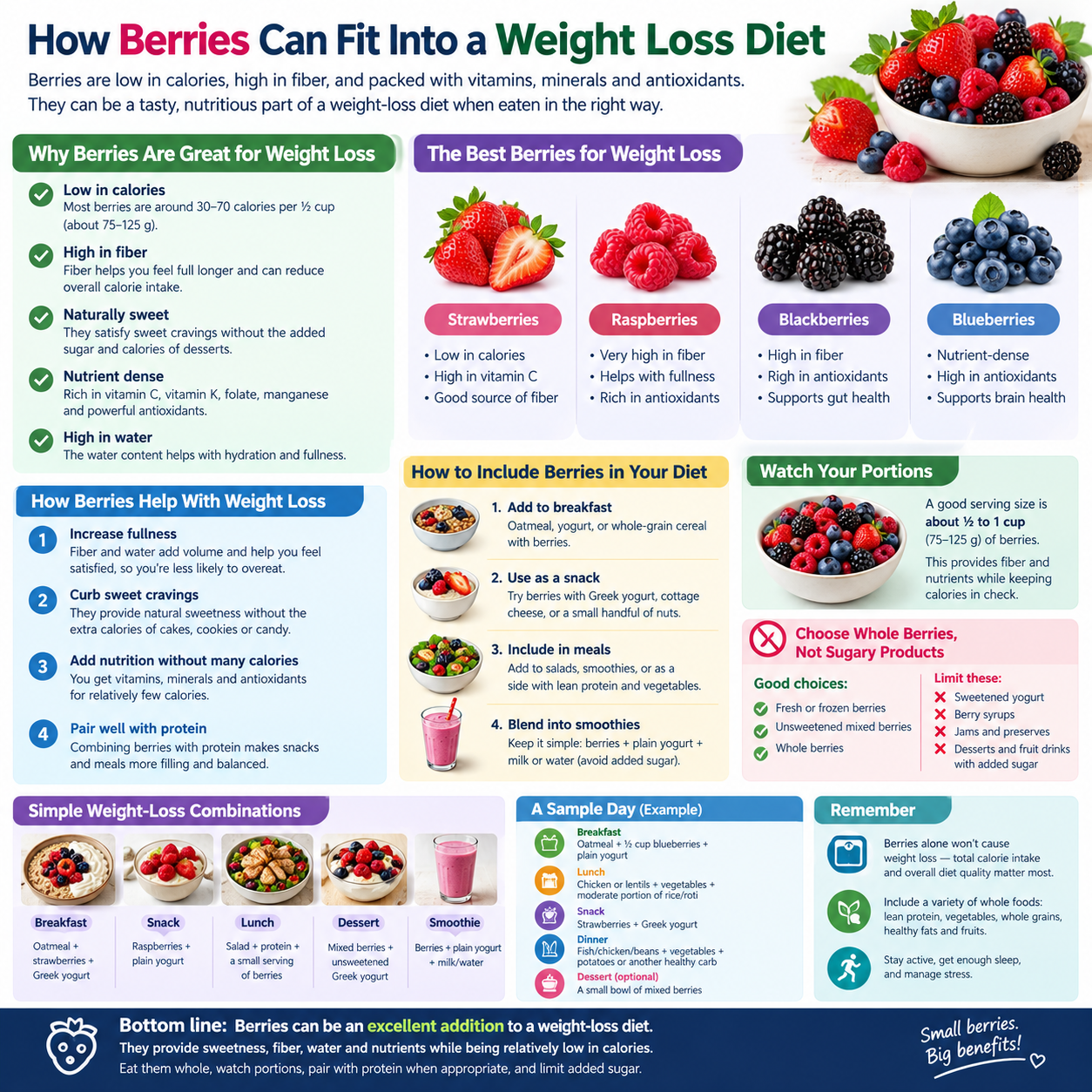
High-fiber foods are generally lower in calories but rich in vitamins, minerals, and antioxidants. Excellent sources of fiber include fruits such as apples, pears, and berries; vegetables like broccoli, carrots, and spinach; whole grains such as oats, brown rice, and whole-wheat bread; legumes including beans, lentils, and chickpeas; and nuts and seeds like almonds, chia seeds, and flaxseeds.
Eating more fiber can also reduce cravings by stabilizing blood sugar levels, preventing sudden spikes and crashes that often lead to unhealthy snacking. Additionally, fiber supports a healthy gut microbiome, which may contribute to better metabolism and overall health.
Most adults should aim to consume approximately 25–38 grams of fiber per day, depending on age and sex. It is important to increase fiber intake gradually and drink plenty of water to prevent digestive discomfort such as bloating or constipation.
In conclusion, fiber is a valuable part of any weight loss diet. By increasing fullness, improving digestion, controlling appetite, and supporting overall health, a fiber-rich diet can make weight loss more effective and sustainable over the long term.
One response to “The Importance of Fiber in a Weight Loss Diet”
Great