Fruits are naturally low in calories, high in fiber, and packed with vitamins, minerals, and antioxidants. Eating whole fruits can help you feel full longer, reduce unhealthy snacking, and support healthy weight loss when combined with a balanced diet and regular exercise.
1. Apples
- Calories: About 95 per medium apple
- High in fiber, which helps control hunger.
- Low in calories and naturally sweet, making them a healthy snack.
- Best eaten with the skin for maximum fiber.
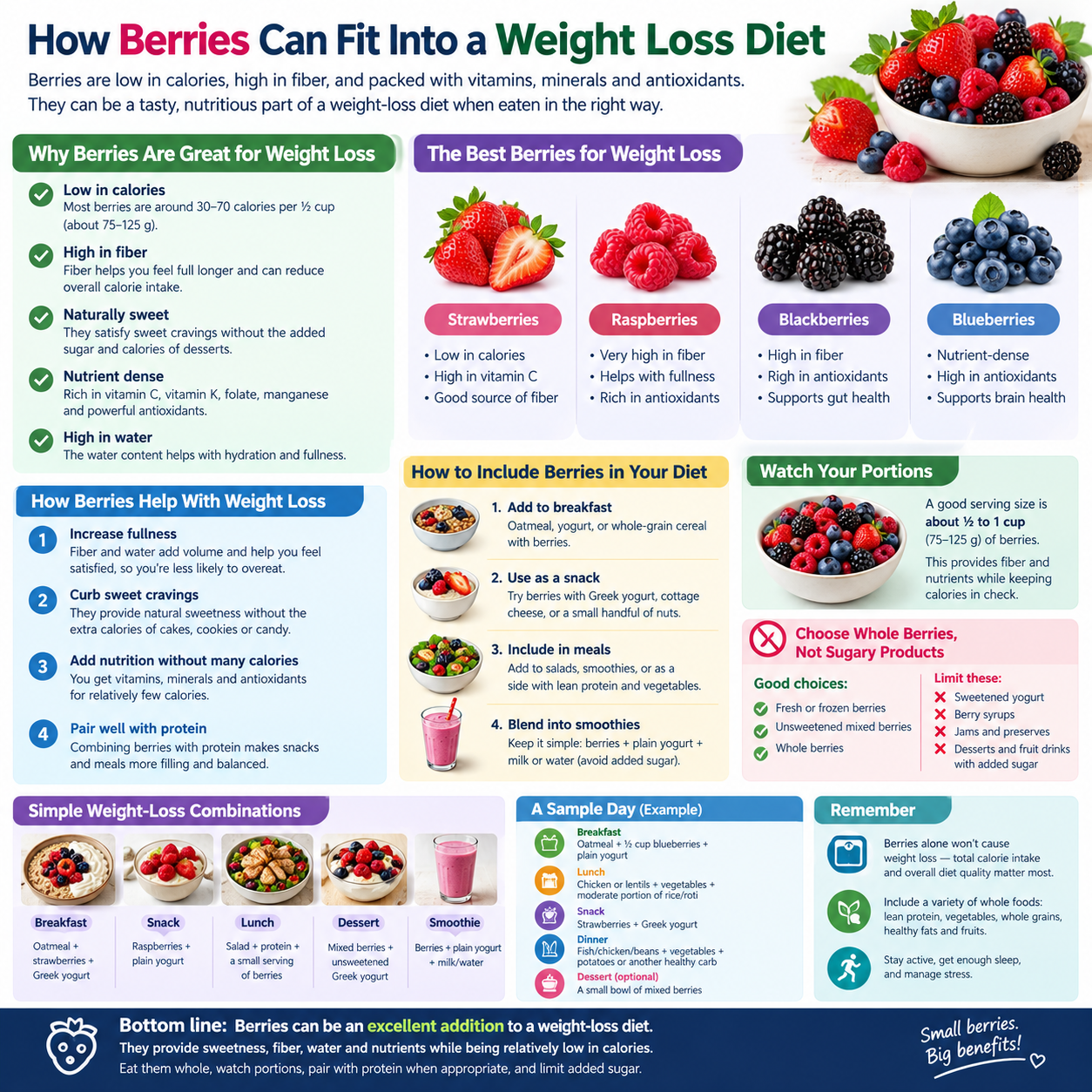
2. Berries (Strawberries, Blueberries, Raspberries)
- Low in calories and rich in antioxidants.
- High fiber content promotes fullness.
- Great for smoothies, yogurt, or oatmeal.
3. Grapefruit
- Contains about 52 calories per half fruit.
- High water content helps keep you hydrated.
- Can be a refreshing addition to breakfast.
- If you take prescription medications, check with your healthcare provider because grapefruit can interact with some drugs.
4. Watermelon
- About 46 calories per cup.
- Over 90% water, helping you stay hydrated.
- A satisfying choice for hot weather or when craving something sweet.
5. Oranges
- Rich in vitamin C and fiber.
- More filling than orange juice because whole oranges contain fiber.
- A healthy snack between meals.
6. Pears
- High in dietary fiber.
- Helps improve digestion and promotes fullness.
- Naturally sweet and satisfying.
7. Kiwi
- Rich in vitamin C, vitamin K, and fiber.
- Supports digestive health.
- Low in calories and easy to include in fruit salads.
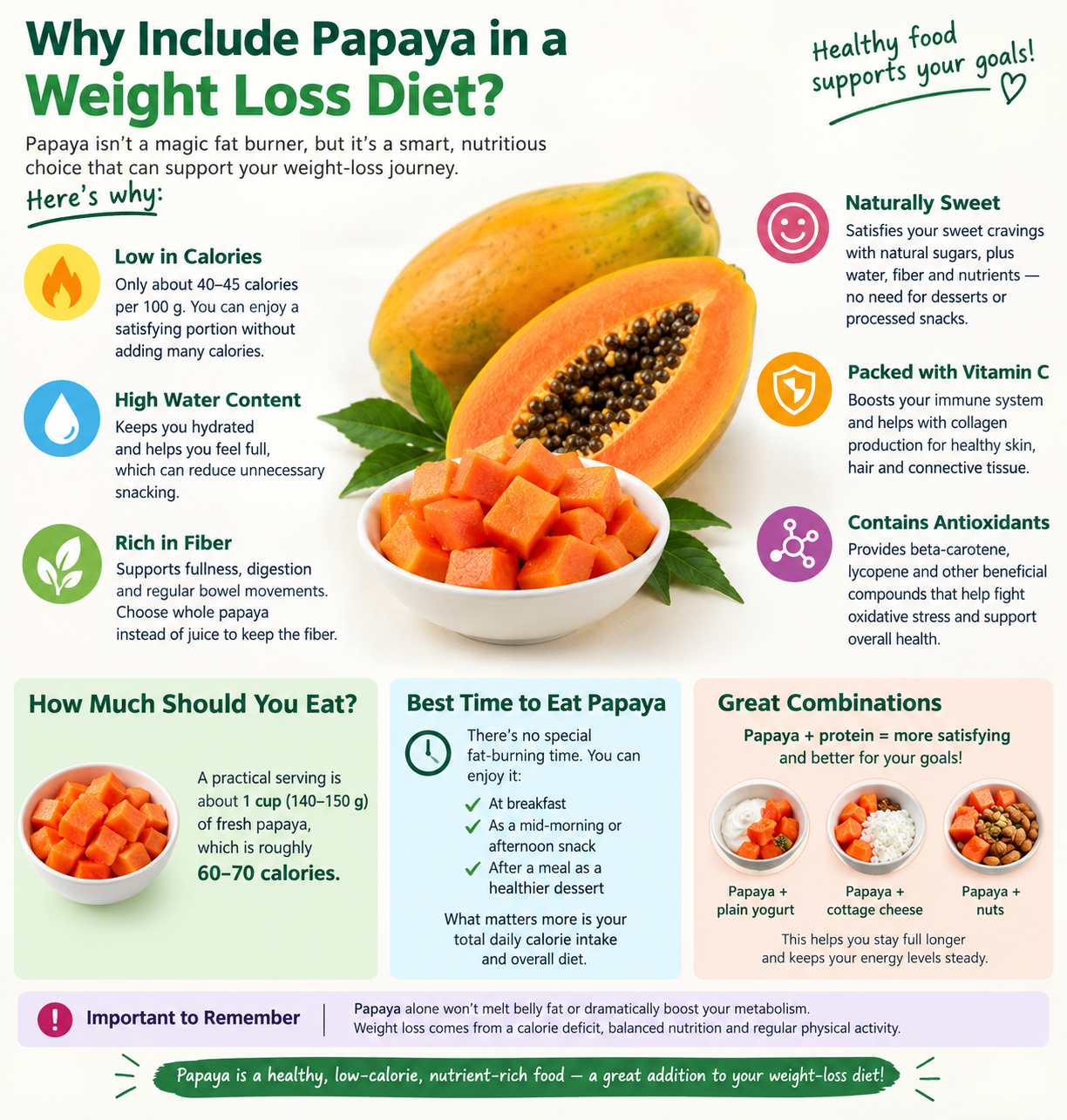
8. Papaya
- Contains digestive enzymes and fiber.
- Low in calories.
- Makes a nutritious breakfast or snack.
9. Pineapple
- Provides vitamin C and manganese.
- Naturally sweet and refreshing.
- Enjoy in moderation because it contains more natural sugar than some other fruits.
10. Avocado
- Higher in calories than most fruits but rich in healthy fats and fiber.
- Helps increase fullness, which may reduce overall calorie intake.
- Best enjoyed in moderate portions.
Tips for Eating Fruit for Weight Loss
- Choose whole fruits instead of fruit juice.
- Eat fruit as a snack instead of sugary desserts.
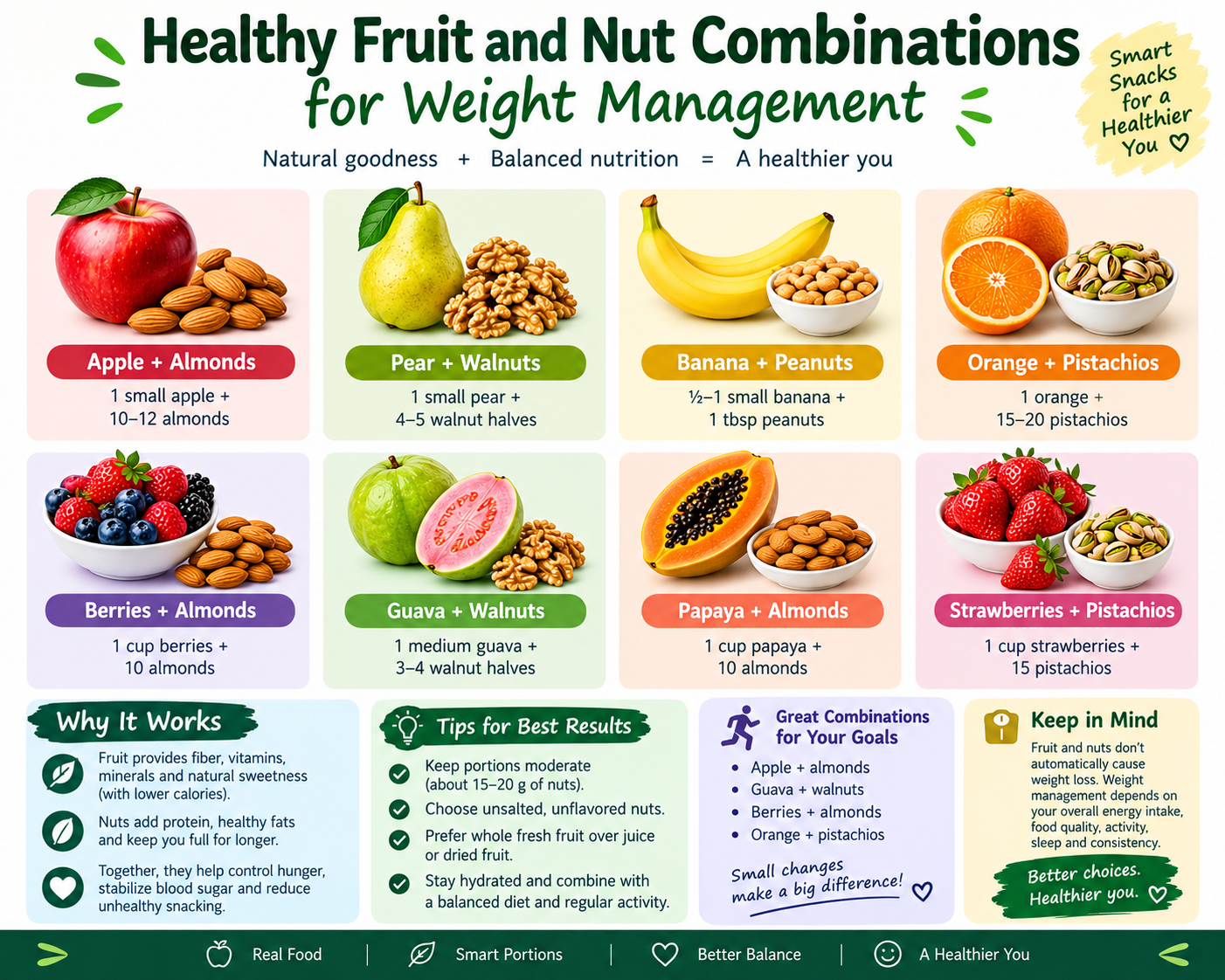
- Pair fruit with protein or healthy fats (such as plain yogurt or a handful of nuts) for longer-lasting fullness.
- Aim for a variety of fruits to get a broad range of nutrients.
- Watch portion sizes if you’re trying to maintain a calorie deficit.